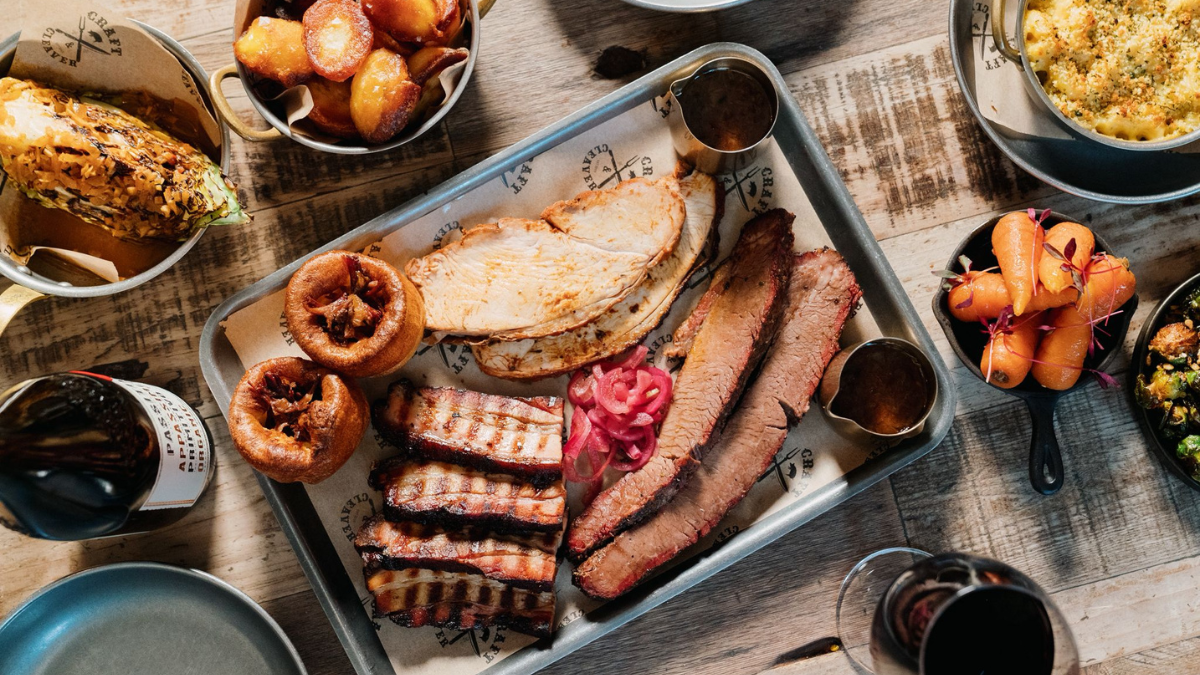
You know the moment.
The plate lands. You take a bite. And something just hits different. Deeper. Richer. Hard to pin down, but obvious at the same time.
It’s not just “meat, but nicer.”
So, what’s actually going on?
It starts with smoke (obviously)
When wood burns, it doesn’t just produce heat. It releases a mix of compounds that latch onto the surface of the meat.
These compounds bring flavour. Real flavour.
- Smokiness
- A touch of sweetness
- That savoury, almost bacon-like depth
Different woods do different things. Hickory leans into bold. Applewood is softer. Oak sits somewhere in the middle.
You don’t always think about it when you’re eating, but your brain picks it up straight away.
That’s the first layer.
Then there’s time
Most cooking methods are quick.
Grilling. Frying. Roasting. You’re done in minutes, maybe an hour.
Smoking doesn’t work like that.
We’re talking 6, 10, 14 hours. Sometimes more.
That time does something important. It allows fat to slowly melt and move through the meat. It gives connective tissue time to break down. It builds texture you simply can’t rush.
You don’t get that with fast cooking.
And your mouth can tell.
Fat behaves differently
Here’s something people don’t always realise.
Fat cooked quickly isn’t the same as fat cooked slowly.
When you cook low and slow, fat doesn’t just sit there. It renders gradually. It spreads. It carries flavour with it.
That’s why smoked meat feels richer without necessarily feeling heavier.
It’s not more fat. It’s just better used.
The crust does a lot of heavy lifting
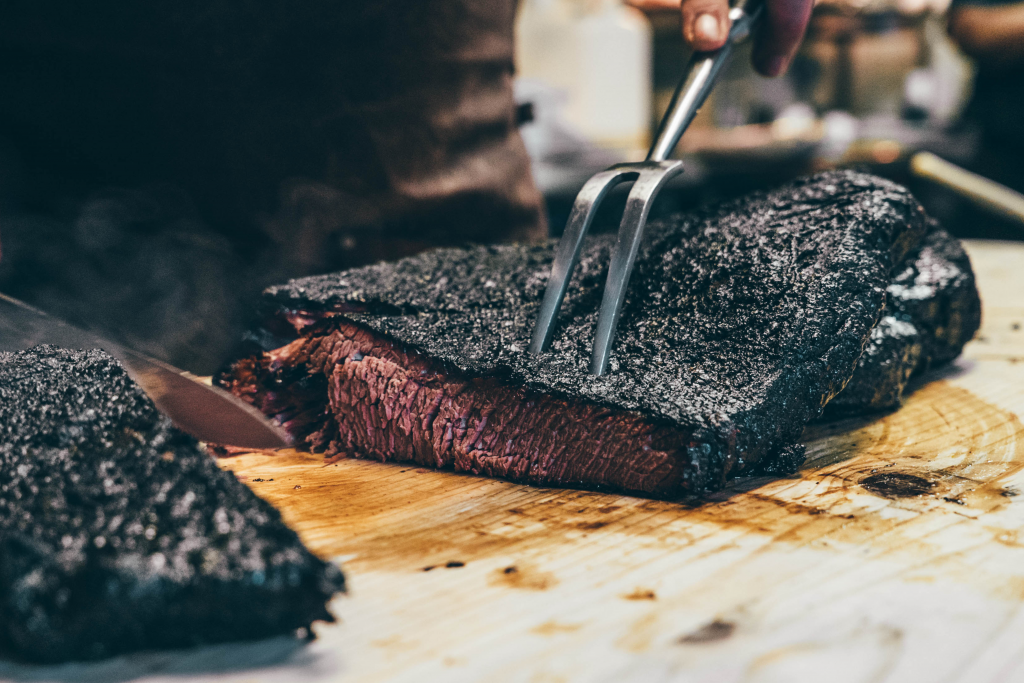
That dark outer layer – the bark – is doing more work than it gets credit for.
It’s where smoke, seasoning, heat, and time all meet.
You get:
- Crunch
- Saltiness
- Sweetness
- Smoke
All in one bite.
Then underneath, you’ve got soft, juicy meat.
That contrast matters. Texture changes how we experience flavour. A lot more than people think.
It’s not just taste – it’s smell too
A big part of flavour is aroma.
Before you even take a bite, you smell it. Smoke travels. It lingers. It builds anticipation.
Your brain starts working before the food even hits your mouth.

That first bite feels bigger because of it.
It’s the same reason walking past a smoker turns heads. You don’t get that reaction from a frying pan.
There’s a bit of science in there
Without getting too deep into it, smoking creates new flavour compounds.
Heat + protein + sugar = change.
That’s how you get that deep, savoury profile people struggle to describe. It’s not one flavour. It’s layers building on top of each other over time.
That’s also why smoked meat tastes more “complete.”
It’s not relying on one thing. It’s got a lot going on.
It’s not always better… but when it is, it really is
Worth saying – not all smoked meat is good.
Too much smoke? It turns bitter.
Too little? It tastes flat.
Cook it wrong? It’s dry and disappointing.
But when it’s done right, there’s a balance.
Smoke, fat, salt, time.
Everything working together.
So why does it taste better?
Because more is happening.
More time.
More flavour.
More change.
You’re not just cooking meat. You’re building it, slowly, layer by layer.
That’s why a good piece of smoked brisket or pork can ruin other food for you a bit. You start noticing what’s missing elsewhere.
One last thing
You don’t always need to understand all of this.
You just need that first bite. The one that makes you stop for a second.
That’s usually enough.
And if you’ve had that moment before, you already know the answer.