When people hear that brisket takes 12–16 hours to cook, the usual response is disbelief.
“Twelve hours? For one piece of meat?!”
It sounds excessive until you understand what’s actually happening inside the smoker during that time. Because low-and-slow barbecue isn’t just cooking. It’s a long chain of small transformations that slowly turn a tough cut of meat into something soft, smoky, and full of flavour.
And none of it happens quickly.
Hour 0–1: The Smoke Starts to Work
At the beginning, the meat goes into the smoker completely raw. The temperature inside the pit usually sits somewhere around 105–120°C.
This is the stage where the smoke starts doing its job.
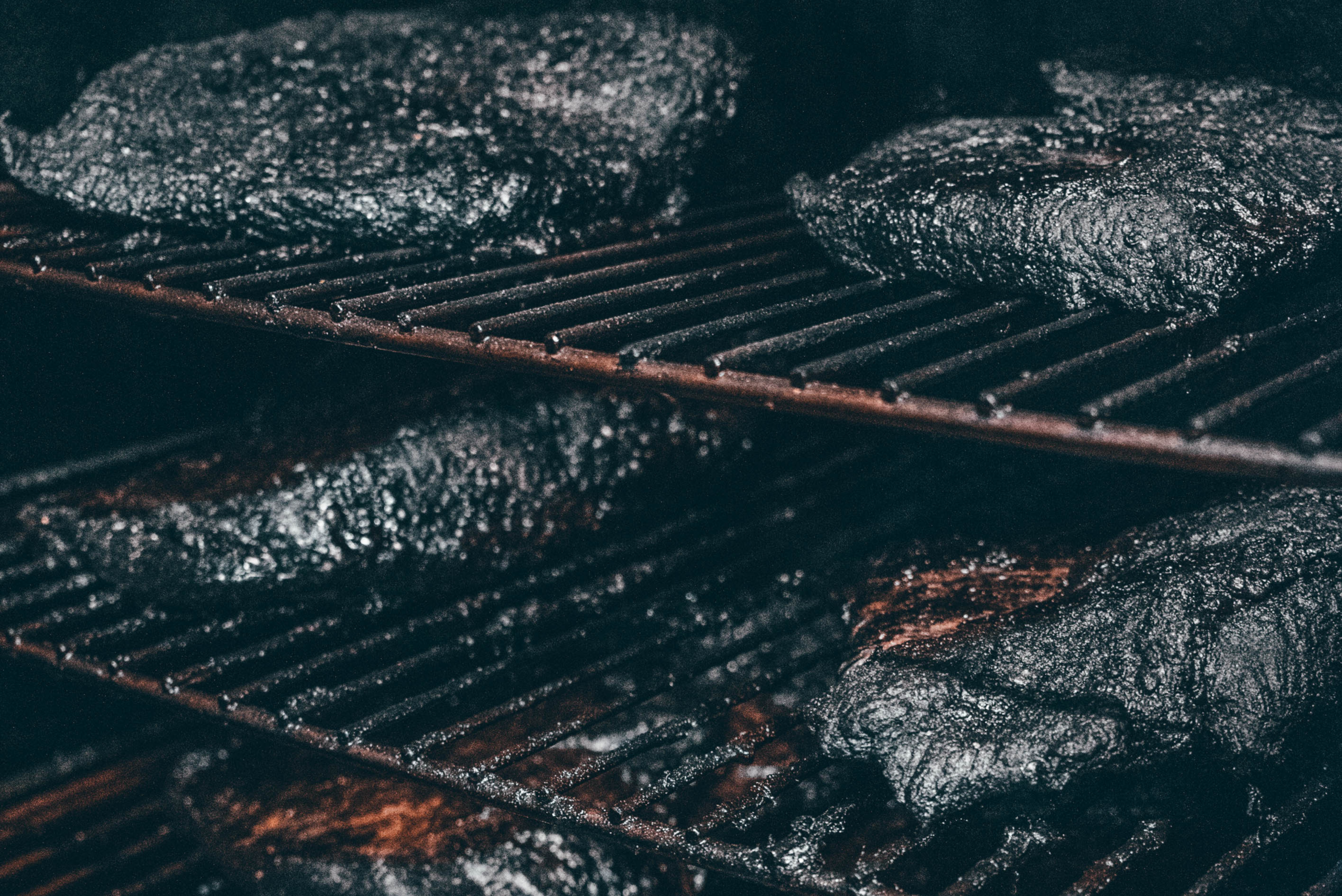
Wood burns slowly and releases compounds that cling to the surface of the meat. These compounds are responsible for that deep barbecue flavour you simply can’t replicate in an oven.
At this point the meat is still cool, and smoke absorption is at its strongest.
Hour 1–3: Surface Drying and Bark Formation Begins
As the heat continues to circulate, the outside of the meat begins to dry.
This might sound like a bad thing, but it’s actually essential. A dry surface allows a crust to begin forming. In barbecue circles this crust is known as “bark.”
The bark forms from a combination of:
- seasoning
- rendered fat
- smoke particles
- the Maillard reaction (a chemical reaction that creates those unmistakable flavours)
This stage sets the foundation for the texture and flavour of the final brisket.
Hour 3–6: Fat Starts Rendering
As the internal temperature rises, the fat inside the meat slowly begins to melt.
Brisket contains large pockets of intramuscular fat. When it renders properly, that fat moves through the meat and helps keep it moist.
This is one of the main reasons brisket needs time. If you cook it too quickly, the fat doesn’t render properly and the meat stays tough.
During these hours the smoker also continues building flavour on the surface.
Hour 6–9: The BBQ Stall
This is the part that confuses most people.
At some point during the cook, the internal temperature of the meat suddenly stops rising. Sometimes it even drops slightly.
This phenomenon is called “the stall.”

It happens because moisture inside the meat begins evaporating from the surface. That evaporation cools the meat in the same way sweat cools your skin.
The result? The brisket can sit at the same temperature for two or three hours.
Pitmasters deal with this in different ways. Some leave it alone and let time solve the problem. Others wrap the brisket in butcher paper or foil to push through the stall.
Either way, patience is the only real solution.
Hour 9–12: Collagen Breakdown
This is where barbecue magic really happens.
Brisket comes from a hardworking muscle on the cow, which means it’s full of connective tissue called collagen.
Collagen is what makes raw brisket tough. But with enough heat and time, it slowly breaks down and turns into gelatin.
Gelatin gives brisket its famous texture: soft, juicy, and almost buttery when sliced properly.
Without this stage, brisket would simply taste like one of those tough Sunday roasts we’ve all had at some point.
Hour 12–16: The Final Push
As the brisket approaches an internal temperature of around 93–96°C the texture finally begins to change.
At this point pitmasters stop thinking about time and start thinking about feel.

A thermometer might say the brisket is ready, but the real test is how it feels when probed. If a thermometer slides into the meat with almost no resistance, the brisket is done.
Some briskets reach this point at 12 hours. Others take 15 or even 16.
Every piece of meat is different.
The Resting Stage (The Step People Forget)
Even after the brisket leaves the smoker, the process isn’t finished.
Good barbecue always rests.
Resting allows juices to redistribute and the meat to relax after hours of heat. Many pitmasters rest brisket for one to three hours before slicing.
Skip this step and the juices run straight onto the cutting board instead of staying in the meat.
Why It Takes So Long
When you add everything together – smoke absorption, fat rendering, the stall, collagen breakdown, and resting – it becomes clear why brisket takes the better part of a day.
It’s not about waiting for meat to cook.
It’s about giving time for a series of slow transformations to happen.
Take shortcuts and you miss those stages entirely.
The Result
After all that time, something remarkable happens.
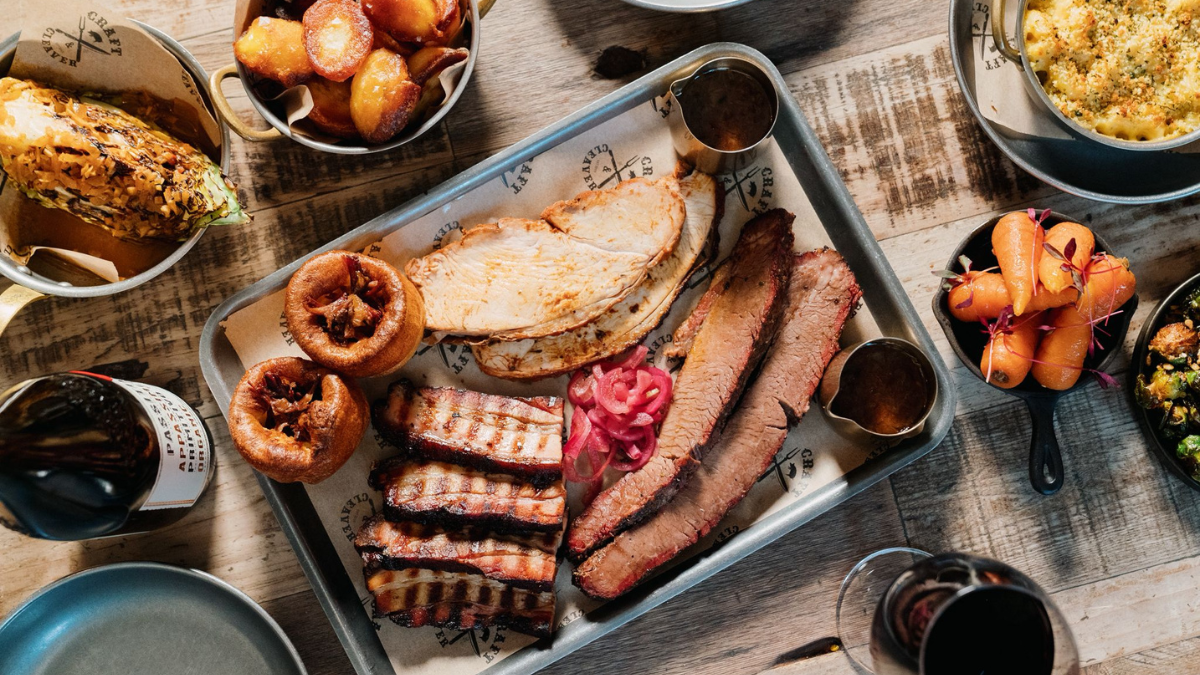
A tough, stubborn cut of beef that most people would never choose suddenly becomes one of the most prized meats in barbecue. The bark is dark and flavourful. The smoke ring sits just beneath the surface. The slices hold together but pull apart with almost no effort.
That’s the reward for patience.
And it’s the reason real barbecue will always take its time.