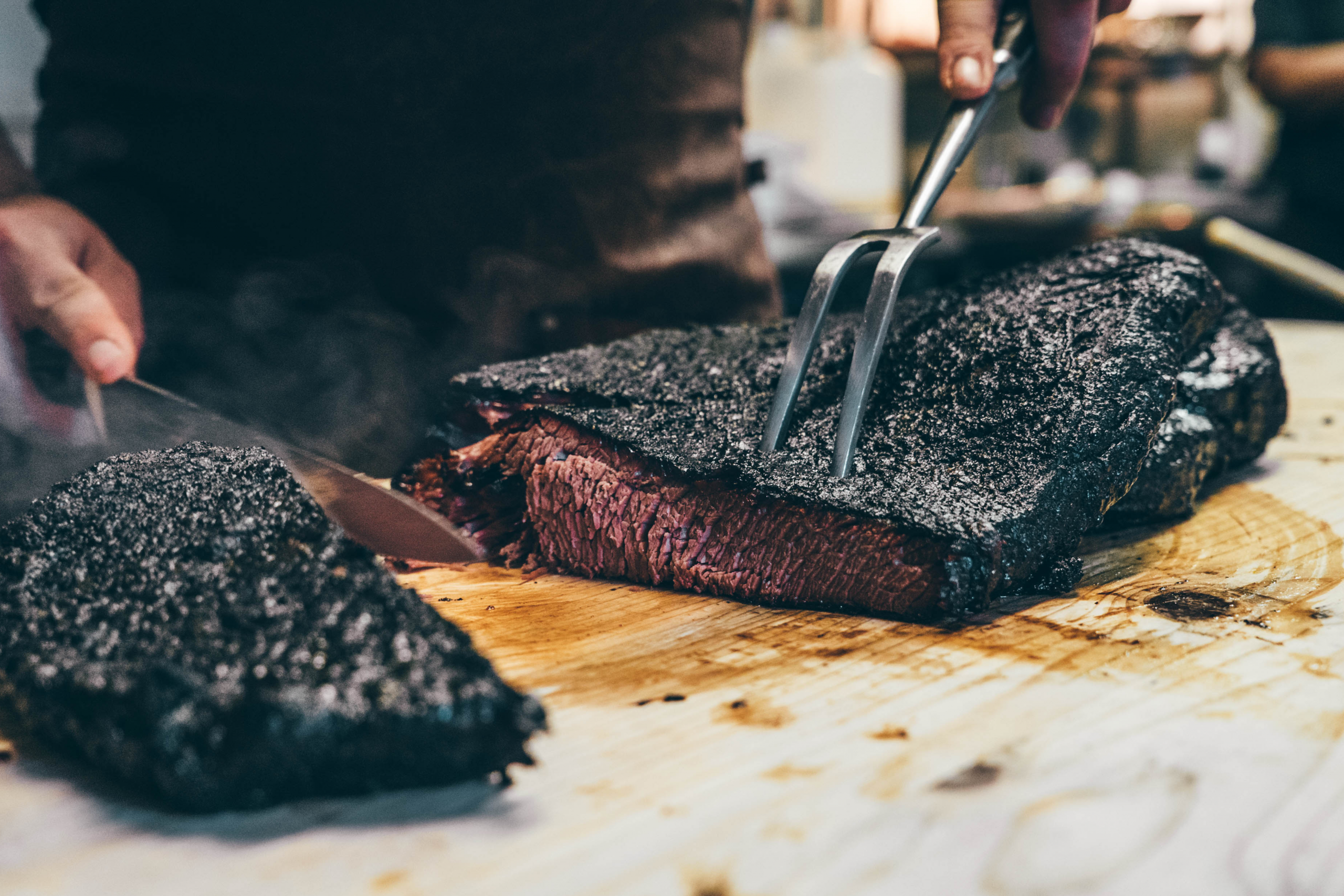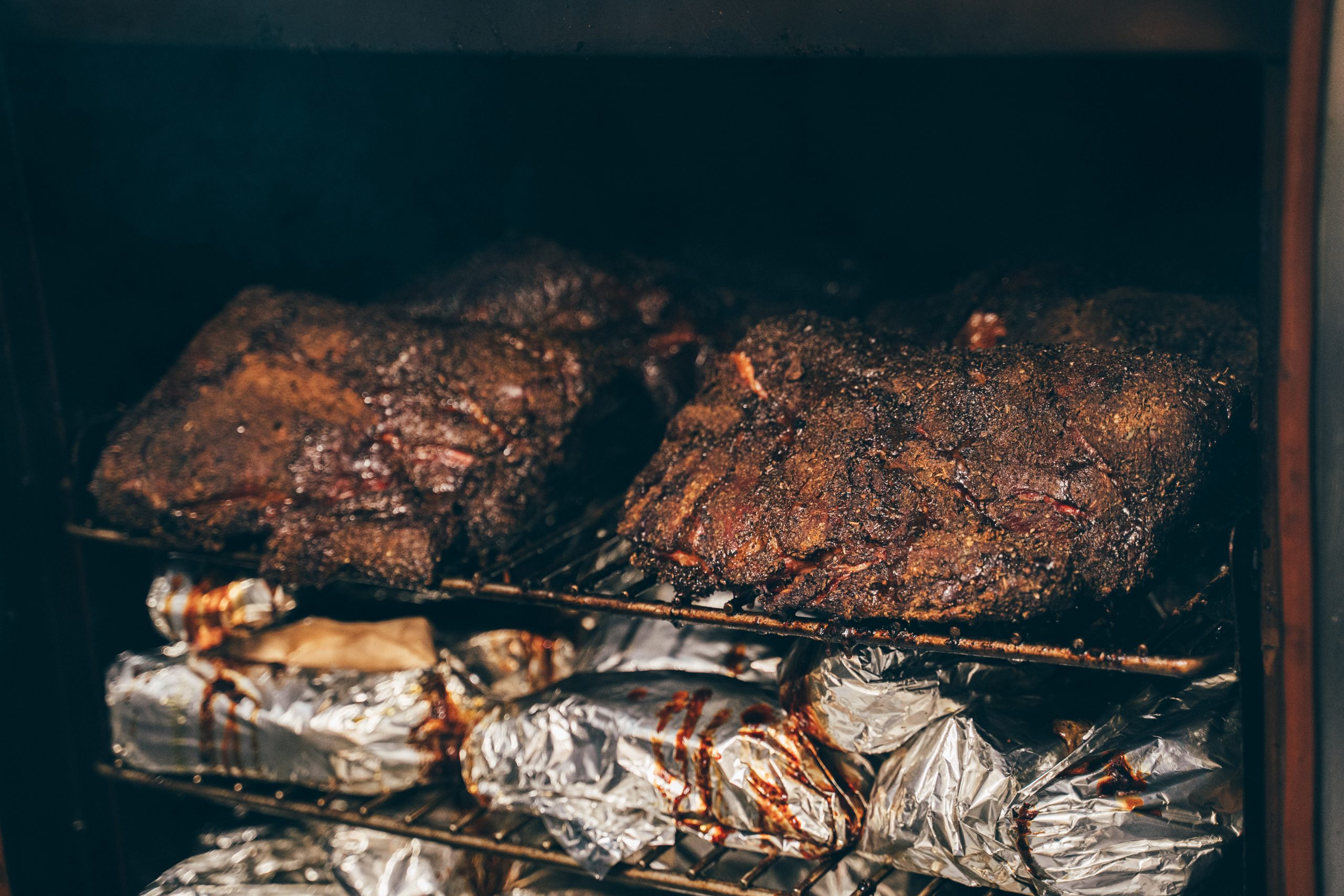
If you’ve spent any time lurking around the BBQ scene – or just eavesdropping at a summer garden soiree – you’ve probably heard someone drop the sacred phrase: “low and slow.” Said with reverence. Maybe even a dramatic pause. It’s the cornerstone of proper barbecue. But what does it actually mean? And more importantly, why does it make your meat taste like it’s been fired by the breath of angels?
Let’s break it down, slow and steady wins the race.
What is “Low and Slow”?
At its most basic, “low and slow” means cooking meat at a low temperature (typically between 95°C to 120°C, or around 200°F to 250°F) for a long period of time – sometimes several hours. We’re talking brisket that takes eight, ten, even twelve hours. Pork shoulder that clocks in at “ready when it’s ready.”
It’s not fast food. It’s the opposite of fast food. It’s food that couldn’t be any slower, even if it tried.
Why Bother?
Now, you might be thinking: can’t I just whack that joint of beef in the oven at a higher temp and eat in half the time? Well, yes. But then you’d end up with a chewy, dry doorstop instead of a tender, juicy masterpiece. You’d miss the magic.

Here’s the deal: meat is made up of muscle fibres, fat, and connective tissue. The tough cuts – like brisket, ribs, and pork shoulder – have loads of connective tissue, especially collagen. At high heat, collagen tightens up like an angry cat and makes your meat rubbery. But cook it low and slow? That collagen gently melts into gelatine, giving you that luscious, fall-apart texture we all dream about.
And no, we’re not exaggerating. We’ve seen people shed actual tears over a well-cooked brisket.
It’s Basically Science (But the Fun Kind)
Let’s nerd out for a minute.
As meat cooks, three big things happen:
Muscle fibres contract – This starts around 50°C (120°F) and goes up from there. If you go too hot too fast, these contract too quickly and squeeze out moisture – hence dry meat.
Fat renders – Fat doesn’t just melt. It slowly breaks down and renders into the meat, adding moisture and flavour. This takes time. Rushing it means missing out on the richness.

Collagen turns to gelatine – This is the crown jewel. At around 70–80°C (160–180°F), collagen begins to break down. Slowly. Gently. Lovingly. And it turns into gelatine, which gives your meat that juicy, unmistakable mouthfeel you can’t fake.
So, when people say, “low and slow,” they’re really saying, “please let the meat do its thing, we’re in no rush today.”
Smoke: The Bonus Round
If you’re cooking low and slow on a smoker, now you’re playing with flavour on a whole new level. The extended cooking time allows the smoke to gradually penetrate the meat. You get that deep, wood-fired flavour and a beautiful pink smoke ring – BBQ gold, basically.
But even if you’re doing it in an oven or a slow cooker, the principles still hold. Heat, time, and patience are the real ingredients here.
Okay, But Isn’t That a Bit… Excessive?
Look, not every meal needs ten hours and a temperature probe. There’s nothing wrong with a quick steak or a grilled burger. But low and slow isn’t just about eating – it’s about experience. The anticipation. The smell wafting through the garden. The satisfaction of slicing into something you’ve waited hours for and finding it absolutely worth it.

It’s a hobby. A ritual. Some say it’s a form of meditation, others just enjoy having an excuse to drink beer at 10am.
A Few Tips (So You Don’t Ruin an £80 Brisket)
Invest in a decent thermometer – You’re aiming for internal temps, not guesswork.
Don’t open the lid – Every time you peek, you lose heat. Trust the process.
Rest the meat – After hours of cooking, it deserves a break. Let it sit, covered, for at least 30 minutes before slicing.
Chewing the Fat
Low and slow isn’t for the impatient. It’s not flashy. But it is deeply satisfying. It rewards care, attention, and a willingness to wait. In a world of instant gratification, there’s something wildly enjoyable about letting meat take its sweet time.
So next time you’re tempted to rush things, remember, flavour doesn’t like being hurried. Set your fire low, grab a cold one, and settle in for the long haul. Your tastebuds will thank you.
Like to try some of the finest BBQ in Hertfordshire? Make a booking with us right here.